


Boat Registration Numbers: Placement, Size and Requirements
Whether you have recently purchased a boat, upgraded your personal watercraft (PWC), or are replacing faded registration decals, displaying your boat registration numbers correctly is an essential part of responsible boat ownership.
This guide explains where to place boat registration numbers, minimum character height, color and font requirements, spacing rules, and how to install custom registration decals.
What Are Boat Registration Numbers?
A boat registration number is a unique identifier assigned to a registered vessel by the relevant registration authority.
A typical U.S. boat registration number may look like this:
FL 1234 AB
- FL: State prefix
- 1234: Assigned number
- AB: Letter suffix
Boat registration numbers are different from the Hull Identification Number (HIN), which identifies the individual vessel.
Registration numbers are displayed externally so that authorities can identify your watercraft.
Boat Registration Number Requirements at a Glance
For most state-numbered recreational vessels in the United States, the following federal display requirements apply:
| Requirement | General U.S. Standard |
|---|---|
| Character height | Minimum 3 inches (76.2 mm) |
| Placement | Both sides of the forward half |
| Lettering style | Plain, upright block characters |
| Color | Clearly contrasting with the background |
| Spacing | Character-width spaces or hyphens between groups |
| Reading direction | Left to right on both sides |
| Attachment | Painted on or permanently attached, subject to applicable exceptions |
| Validation stickers | Follow state-specific requirements |
Always confirm the applicable regulations with your state boating authority before ordering or installing registration decals.
Where Do Boat Registration Numbers Go?

Boat registration numbers are generally displayed on both sides of the forward half of the vessel, on the port and starboard sides.
Choose a location where the numbers remain clearly visible and are not obstructed by accessories, graphics, railings, or other equipment.
Both sets must read from left to right.
These placement requirements generally apply to state-numbered motorboats, fishing boats, pontoon boats, and personal watercraft. Special display provisions may apply to vessels with unusual configurations.
What Size Should Boat Registration Numbers Be?

Under U.S. federal numbering regulations, boat registration characters must be at least 3 inches (76.2 mm) tall.
Measure the actual height of the characters rather than the overall dimensions of the decal sheet or adhesive backing.
Before ordering, measure the available installation area to ensure that the complete registration number, including the required spacing, will fit comfortably.
What Color Should Boat Registration Numbers Be?
Registration numbers must contrast clearly with the surface on which they are installed and remain easy to read.
Popular color combinations include:
- Black characters on white or light-colored hulls.
- White characters on black or dark-colored hulls.
- Dark-colored characters on light gray or silver hulls.
- Light-colored characters on navy blue hulls.
Custom two-tone lettering can complement your boat's appearance, provided the characters remain clearly visible against the background and satisfy applicable regulations.
Avoid color combinations that blend into the hull or make the registration number difficult to read.
Boat Registration Number Spacing and Font Requirements
Use clear, upright block characters rather than decorative, italic, or highly stylized lettering.
Separate the letter and number groups using appropriately sized spaces or hyphens.
For example:
- FL 1234 AB
- FL-1234-AB
The spacing between groups should match the width of a regular letter or number, excluding narrow characters such as "I" and "1".
A clean, legible layout is generally the best choice for boat registration lettering.
Can You Use 3D EVA Foam Boat Registration Numbers?

Raised EVA foam lettering offers a three-dimensional alternative to traditional flat vinyl registration decals.
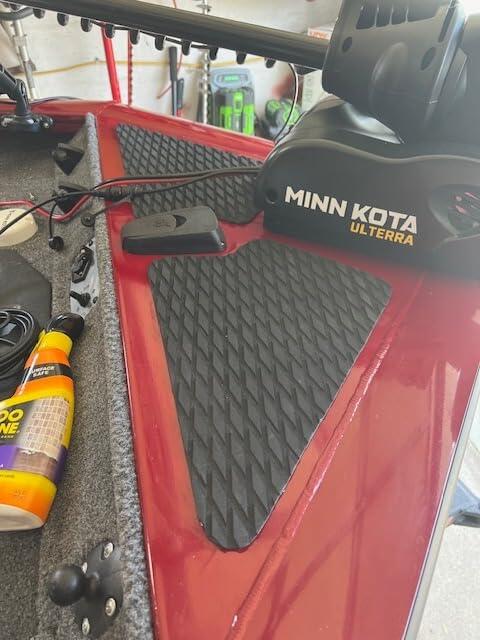
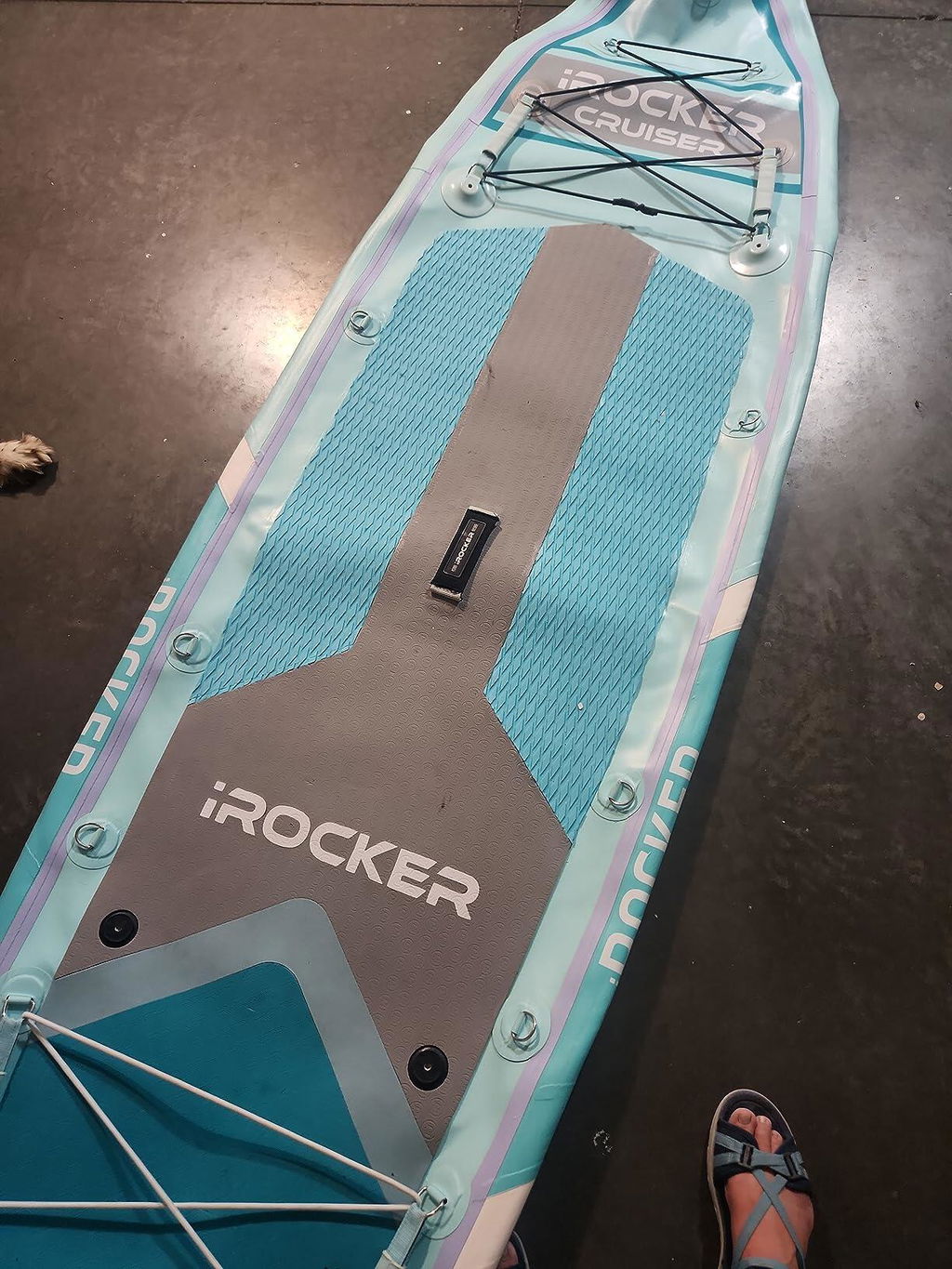
Custom 3D EVA boat registration numbers create a distinctive appearance that can complement your boat flooring, hull graphics, and other marine accessories.
Benefits include:
- Raised, dimensional lettering
- Personalized color combinations
- Lightweight EVA foam construction
- Peel-and-stick installation
- Matching lettering for both sides of your watercraft
The material alone does not determine regulatory compliance. Character height, lettering style, contrast, visibility, spacing, and attachment must also meet applicable requirements.
How to Install Boat Registration Number Decals
Step 1: Clean the Surface
Remove dirt, wax, grease, and old adhesive residue from the installation area. Make sure the surface is clean and completely dry.
Step 2: Measure and Mark the Position
Determine the correct placement for your registration numbers and use masking tape to establish a straight reference line.
Step 3: Check the Layout
Position the characters before removing the adhesive backing. Verify the registration number, spacing, alignment, and reading direction.
Step 4: Peel and Apply
Carefully remove the adhesive backing and apply the lettering to the prepared surface.
Step 5: Press Firmly
Apply even pressure across each character to promote complete adhesive contact. Follow the adhesive manufacturer's instructions before exposing the lettering to water.
Custom Boat Registration Numbers by HJDECK
Personalize your boat or personal watercraft with HJDECK custom 3D EVA registration numbers.
Choose a color combination that complements your watercraft, enter your assigned registration number, and receive two matching sets—one for each side of the hull.
Upgrade Your Boat with Custom 3D Lettering
Personalized registration numbers with raised EVA foam construction, customizable colors, and peel-and-stick backing.
Shop Custom Boat Registration NumbersFrequently Asked Questions
Do I Need Registration Numbers on Both Sides of My Boat?
Yes. For most state-numbered recreational vessels in the United States, registration numbers must be displayed on both sides of the forward half of the vessel.
How Tall Do Boat Registration Numbers Have to Be?
The general U.S. federal minimum character height is 3 inches (76.2 mm). Check applicable state requirements before ordering.
Can Boat Registration Numbers Be Two-Tone?
Two-tone lettering may be suitable if it satisfies applicable requirements for contrast, readability, character height, and lettering style. Confirm acceptance with your state boating authority before installation.
Do Jet Skis Need Boat Registration Numbers?
Registered personal watercraft, including Jet Skis, WaveRunners, and Sea-Doo models, are generally subject to vessel numbering requirements. Check your state's specific registration and placement rules.
Are Boat Registration Numbers the Same as a HIN?
No. Boat registration numbers are assigned by a registration authority, while the Hull Identification Number (HIN) identifies the individual vessel.
Where Do Boat Registration Validation Stickers Go?
Registration validation stickers are typically displayed near the registration numbers. Their exact location and spacing depend on the issuing state's requirements.
Final Thoughts
Choosing boat registration numbers is about more than appearance. Correct sizing, clear lettering, contrasting colors, and proper placement are essential.
Whether you prefer traditional vinyl decals or raised EVA foam lettering, check your local boating regulations before placing an order.
Regulatory References
- 33 CFR § 173.27 – Numbers: Display; size; color
- U.S. Coast Guard – A Boater's Guide to Federal Requirements for Recreational Boats
This guide provides general information for U.S. recreational boat owners. Registration and display requirements may vary by jurisdiction and vessel type.
Partager