News

EVA Foam vs. Carpet for Boat Trailer Fender Steps - HJDECK

News

EVA Foam vs. Carpet for Boat Trailer Fender Steps

le juil. 23 2026
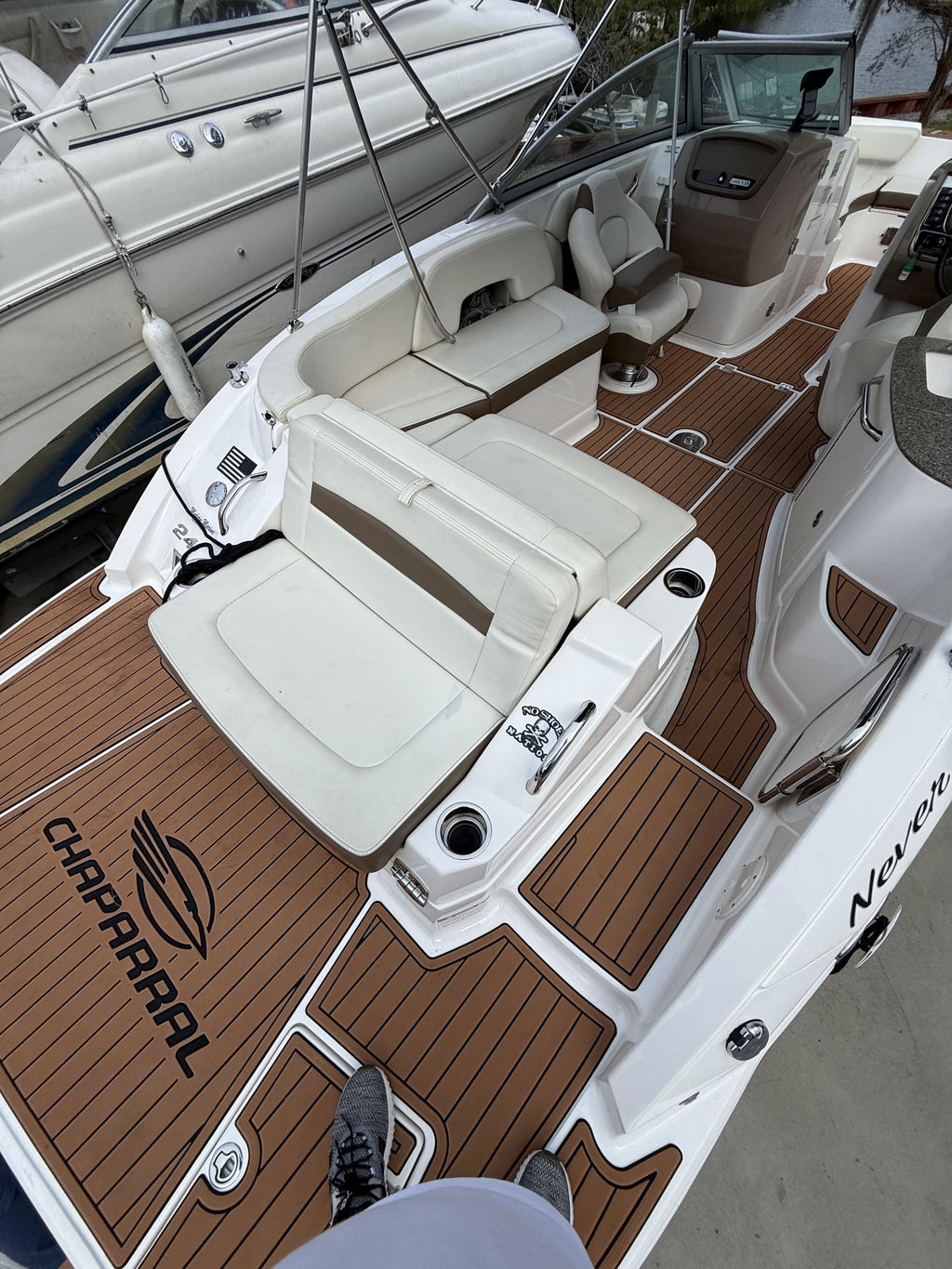
Boat trailer fender steps are regularly exposed to water, sand, mud, road debris, and repeated foot traffic. While carpet has traditionally been used to cover these areas, marine-grade EVA foam offers a cleaner and more customizable alternative. Which material is better for your boat trailer? This guide compares EVA foam and carpet in terms of traction, water resistance, cleaning, comfort, appearance, durability, and installation. Quick Comparison: EVA Foam vs. Carpet Feature Marine EVA Foam Marine Carpet Water absorption Water-resistant closed-cell material Can retain water Drying time Dries quickly on the surface Usually dries more slowly Cleaning Rinse with water and mild soap Dirt may become trapped in fibers Wet traction Textured surface provides grip Provides grip but may flatten with wear Comfort Cushioned underfoot Softer than bare metal but less cushioned Custom fit CNC-cut for specific shapes Usually cut and wrapped manually Design options Multiple colors, patterns and engraving Limited colors and textures Edge condition Clean beveled or routed edges May fray or separate over time Surface requirements Best on smooth, sufficiently flat areas Can conform to some uneven surfaces Maintenance Generally low Requires more drying and cleaning Swipe left or right to view the full comparison.   1. Water Resistance and Drying Marine carpet can retain moisture, dirt, and odors and may take longer to dry. Closed-cell EVA foam does not absorb water like carpet. Water stays mainly on the surface, making the pad easier to rinse and quicker to dry. Proper installation is still essential because lifted edges may allow moisture and debris underneath. 2. Traction on Wet Fender Steps Both materials offer better slip resistance than bare metal surfaces. While carpeting provides a certain texture, its fibers can flatten over time and trap grit or debris. EVA features an embossed, grooved surface that eliminates concerns about fiber shedding while delivering more consistent slip resistance. No material can completely eliminate the risk of slipping. Please keep surfaces clean and step only on areas with structural support. 3. Cleaning and Maintenance Carpet fibers easily trap grit, mud, road grime, and fish residue, often requiring vigorous scrubbing and a long drying time.   EVA surfaces are fiber-free and can usually be cleaned with fresh water, mild soapy water, and a soft-bristled brush. Avoid contact with fuel, bleach, acetone, and strong solvents, and do not use high-pressure sprayers at close range. 4. Underfoot Comfort Carpeting provides a thin barrier over the metal but offers limited cushioning. EVA foam creates a softer surface for boarding, loading gear, securing lines, or cleaning the boat. It also provides some insulation against the bare metal, although dark colors can still get hot in direct sunlight. 5. Appearance and Customization Carpeting is generally limited to basic colors and textures. Custom EVA pads offer a wider range of options, including: Faux teak linesDiamond, hexagonal, and contoured patternsTwo-tone color schemesCustom names and logos CNC cutting also allows for crisper edges and a tighter fit around specific fender step shapes. 6. Durability and Edge Wear Carpeting is prone to issues such as fiber matting, staining, odors, edge fraying, or delamination of the adhesive backing during use. EVA material does not fray at the edges and allows for precision-milled or beveled edge designs. However, it can still be damaged by sharp objects, fuel, harsh chemicals, or dragging equipment. The edges of the pad should be inspected regularly to prevent lifting. EVA foam is the superior choice for avoiding edge wear. 7. Installation Surface Requirements While carpeting can sometimes conform to slightly uneven surfaces, adhesive-backed EVA requires the installation area to be clean, dry, stable, and sufficiently flat. Suitable installation areas include: Flat tops of aluminum fendersSmooth, painted metal stepsFiberglass surfacesFlat, integrated step pads Do not install EVA over bolts, lights, reflectors, sharp bends, vertical sides, raised edges, rust, or loose paint. For installation on diamond plate (tread plate), the installation area should be limited to a sufficiently flat central section after reviewing photos and templates. 8. Replacing carpet with EVA foam Do not install EVA material directly over old carpet. Basic steps: Remove the carpet, fasteners, and any residual adhesive.Repair rust, corrosion, or loose paint.Remove grease, wax, and cleaning agent residues.Ensure the surface is completely dry.Test-fit the EVA mats and check clearances around hardware.Apply gradually, pressing down firmly. Using an adhesion promoter may be helpful on certain painted or textured surfaces. Follow the manufacturer's instructions and perform a compatibility test first. For additional preparation guidance, see how to install EVA foam boat flooring. Is EVA Foam Better Than Carpet for Trailer Fender Steps? If the mounting surface is flat and properly prepared, and you prioritize the following features, EVA foam is generally the superior choice: Quick-drying surfaceEasy to cleanComfortable underfoot (good cushioning)Customizable colors and patternsClean, attractive CNC-cut edgesCohesive styling between the boat and the trailer If the mounting area has a highly irregular shape or is unsuitable for adhesive-backed foam, carpet may still be a practical option. The right choice depends on the fender's construction, not just aesthetic preference. Before ordering custom EVA pads, please ensure your trailer has a sufficiently flat and structurally sound mounting area. Upgrade Your Marine Trailer Fender Step Pads HJDECK marine-grade boat trailer fender pads are available in a variety of colors, engraved patterns, and custom cut specifications. A standard 39" × 6.38" trailer fender pad is available, while suitable custom shapes can be created from measurements, photos, templates, or design files. Prior to production, please provide clear photos that fully show the fender, the flat mounting area, edges, hardware, lights, reflectors, and surface texture.

What Are Trailer Fender Pads and Why Does Your Boat Trailer Need Them? - HJDECK

News

What Are Trailer Fender Pads and Why Does Your Boat Trailer Need Them?

le juil. 22 2026
Marine trailer fenders often serve as convenient steps when loading gear, securing covers, or boarding and disembarking. However, surfaces made of bare aluminum, painted metal, or diamond-plate aluminum can become slippery when wet; furthermore, repeated use often leads to scratches, fading, or general wear and tear. Installing anti-slip pads on your trailer fenders not only provides essential traction and surface protection but also gives your marine trailer a cleaner, more personalized look. What Are Trailer Fender Pads? Trailer fender pads are non-slip coverings installed on top of a boat trailer’s fenders or fender steps. They create a more comfortable and secure stepping surface while helping protect the metal underneath. HJDECK trailer fender pads are made from marine-grade EVA foam. This material is commonly used for boat flooring because it is: Comfortable underfoot Easy to clean Lightweight Designed for marine environments Available in custom colors and patterns With pressure-sensitive adhesive backing, EVA pads can be installed directly onto properly prepared aluminum, fiberglass, painted metal, or diamond-plate surfaces. Why Does Your Boat Trailer Need Fender Pads? Improve Traction on Wet Fender Steps Water, mud, sunscreen, and fish residue can make bare trailer fenders slippery. This is especially noticeable when launching or retrieving a boat at the ramp. Textured EVA (Ethylene-Vinyl Acetate) surfaces offer superior grip compared to smooth painted metal or aluminum. While no surface can completely eliminate the risk of slipping, a properly installed non-slip pad provides a more secure footing. Protect the Fender Surface Footwear, gear, tie-down straps, and frequent stepping can scratch or wear down the finish on trailer fenders. EVA non-slip pads act as a protective layer between the user and the fender surface, helping to minimize: Scuff marks from shoe soles Surface scratches Minor impact marks Wear and tear from frequent stepping Cosmetic damage caused by fishing or boating gear This protection is especially important for painted, powder-coated, or polished aluminum fenders. Make Boarding and Loading More Comfortable Metal trailer fenders have hard tread surfaces that can become extremely hot in direct sunlight. Compared to bare metal, EVA foam offers a softer feel underfoot and provides thermal insulation. Upgrade the Appearance of an Older Trailer You don't necessarily need to replace the fenders to give your trailer a fresh new look. Adding custom-cut EVA pads can cover worn tread areas while giving the trailer a more refined, polished appearance. Popular design options include: Faux teak grain Brushed or linear textures Diamond and geometric patterns Two-tone color combinations Custom boat names or logos Color schemes that coordinate with the boat's interior flooring Color-matching the fender pads with the boat's EVA flooring creates a cohesive, harmonious visual look for the entire boat-and-trailer combination. Where Can Trailer Fender Pads Be Installed? EVA pads can be used on many flat or gently curved areas of a boat trailer, including: Top surfaces of trailer fenders Integrated fender steps Front and rear step plates Aluminum diamond-plate sections Painted steel fenders Fiberglass trailer fenders Custom boarding steps The mounting surface must be structurally sound enough to support foot traffic. While the traction pad improves the surface characteristics, it does not increase the load-bearing capacity or structural strength of the fender itself. How Do You Measure for Custom Fender Pads? Before measuring, decide exactly which parts of the fender you want to cover. Leave enough clearance around edges, bolts, lights, seams, and curved transitions. Follow these simple steps: Clean the fender to ensure all edges and obstructions are clearly visible. Cover the installation area with paper, plastic film, or cardboard. Carefully trace the outer contours. Mark the locations of bolt holes, lights, seams, and other obstructions. Add a few reference measurements to verify the scale. Take a photograph with the template in place on the fender. If the shapes differ between the two sides, label the driver's side and the passenger's side. For complex curved surfaces, creating a physical template is generally more reliable than simply measuring length and width. Are EVA Trailer Fender Pads Easy to Install? Most adhesive-backed fender pads can be installed as a DIY project. Careful preparation is essential because dust, oil, wax, oxidation, or moisture can weaken adhesion. The basic installation steps are as follows: Clean and dry the fender. Remove grease, wax, and any adhesive residue. Test-fit the pad before peeling off the adhesive backing. Verify the alignment and edge clearance. Peel back a small section of the adhesive backing. Apply the pad gradually while maintaining alignment. Press firmly, working from the center toward the edges. Allow the adhesive to cure fully before subjecting the pad to heavy use or water exposure. Textured or diamond-plate surfaces may require additional preparation. The use of an adhesion promoter is also recommended for surfaces that are difficult to bond to. How Do You Clean Trailer Fender Pads? Routine maintenance is simple: Rinse off loose grit and dirt with clean water. Use mild soap and a soft-bristled brush for a deep clean. Clean up any liquid spills promptly before they dry. Avoid using gasoline, bleach, acetone, or strong solvents. When using a pressure washer, do not hold the nozzle too close to the foam or the edges of the pad. Upgrade Your Boat Trailer with Custom EVA Fender Pads HJDECK custom trailer fender anti-slip pads are precision-engineered for your specific boat trailer, ensuring a perfect fit in terms of shape, size, and style. You can choose from a wide range of colors, textures, edge finishes, and personalized designs to create a look that complements your boat's decking. If a ready-made specification for your trailer model isn't available, you can provide dimensions, photos, templates, or CAD files to facilitate a custom design.